


Our Story
Arrival in jamaica
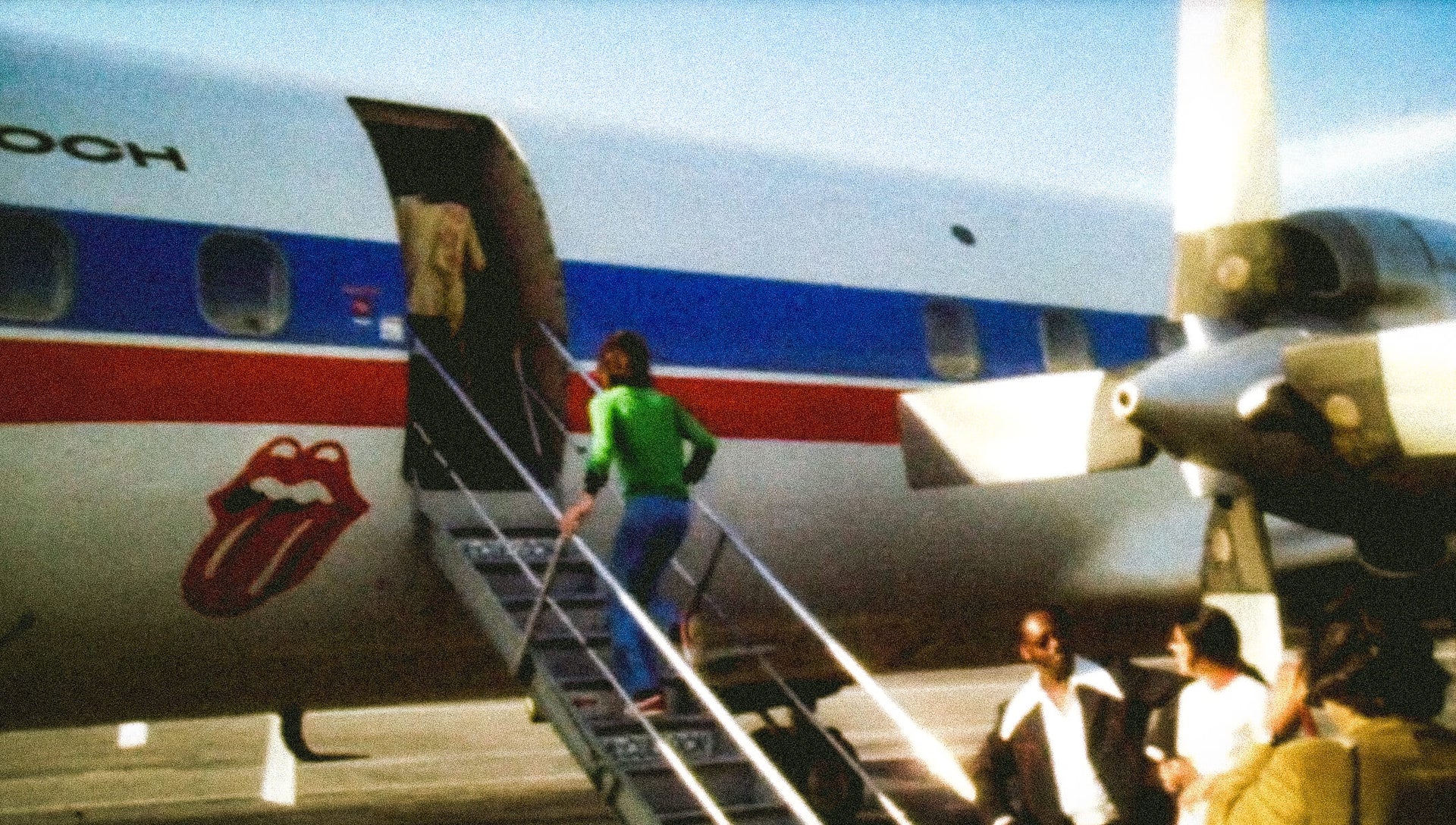
In 1972, the Rolling Stones arrived in Jamaica during a period of constant movement. Having recorded Exile on Main Street in the South of France and toured the United States that same year, the band remained in exile, moving between countries without a fixed base.
Jamaica offered something different. A scene already identified by their record label head, Ahmet Ertegun, as a centre of emerging musical influence.
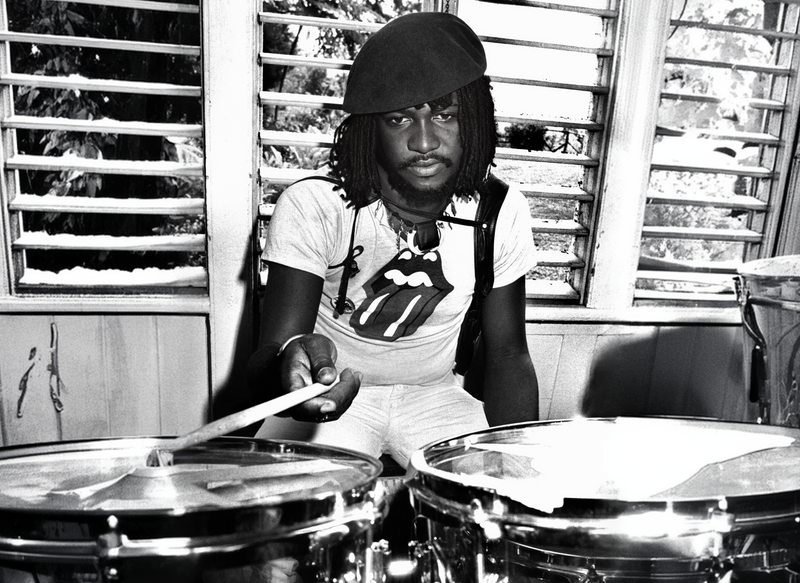
Sly Dunbar in Kingston, Jamaica. photographed by Adrian Boot.
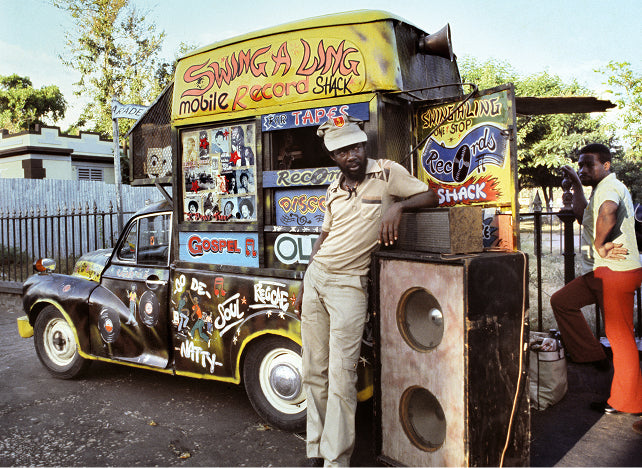
Valdene Dixon AKA Charlie Ace with his Swing-A-Ling mobile record shack 1973, photographed by Adrian Boot
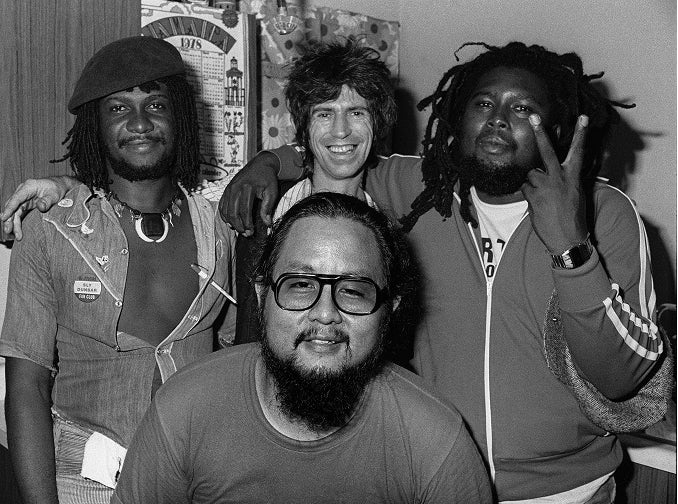
Keith Richards with Sly and Robbie and Mikey Chung photographed by Adrian Boot in 1979.
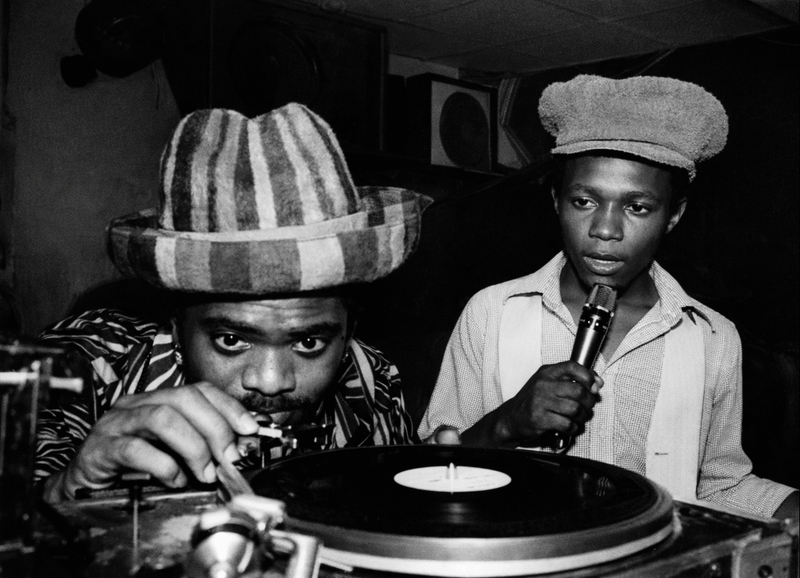
Eugene ‘Festus’ Clarke and Bikey Dread in session photographed by Jean-Bernard Sohiez
Sly Dunbar in Kingston, Jamaica. photographed by Adrian Boot.
Valdene Dixon AKA Charlie Ace with his Swing-A-Ling mobile record shack 1973, photographed by Adrian Boot
Keith Richards with Sly and Robbie and Mikey Chung photographed by Adrian Boot in 1979.
Eugene ‘Festus’ Clarke and Bikey Dread in session photographed by Jean-Bernard Sohiez
The Stones recorded Goats Head Soup in Kingston, immersed in a new sound, a new pace, and a culture defined by rhythm.
As Keith Richards later reflected:

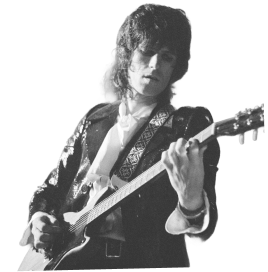
As David Katz, globally recognised authority on reggae and Jamaican music, notes, reggae was a constant presence around the band during this period.
“From Eric Donaldson’s ‘Cherry Oh Baby’ to the soundtrack of ‘The Harder They Come’, reggae was everywhere. Through the Stones, their reach and their platform, that sound reached new audiences around the World.”
Dynamic sound
sessions
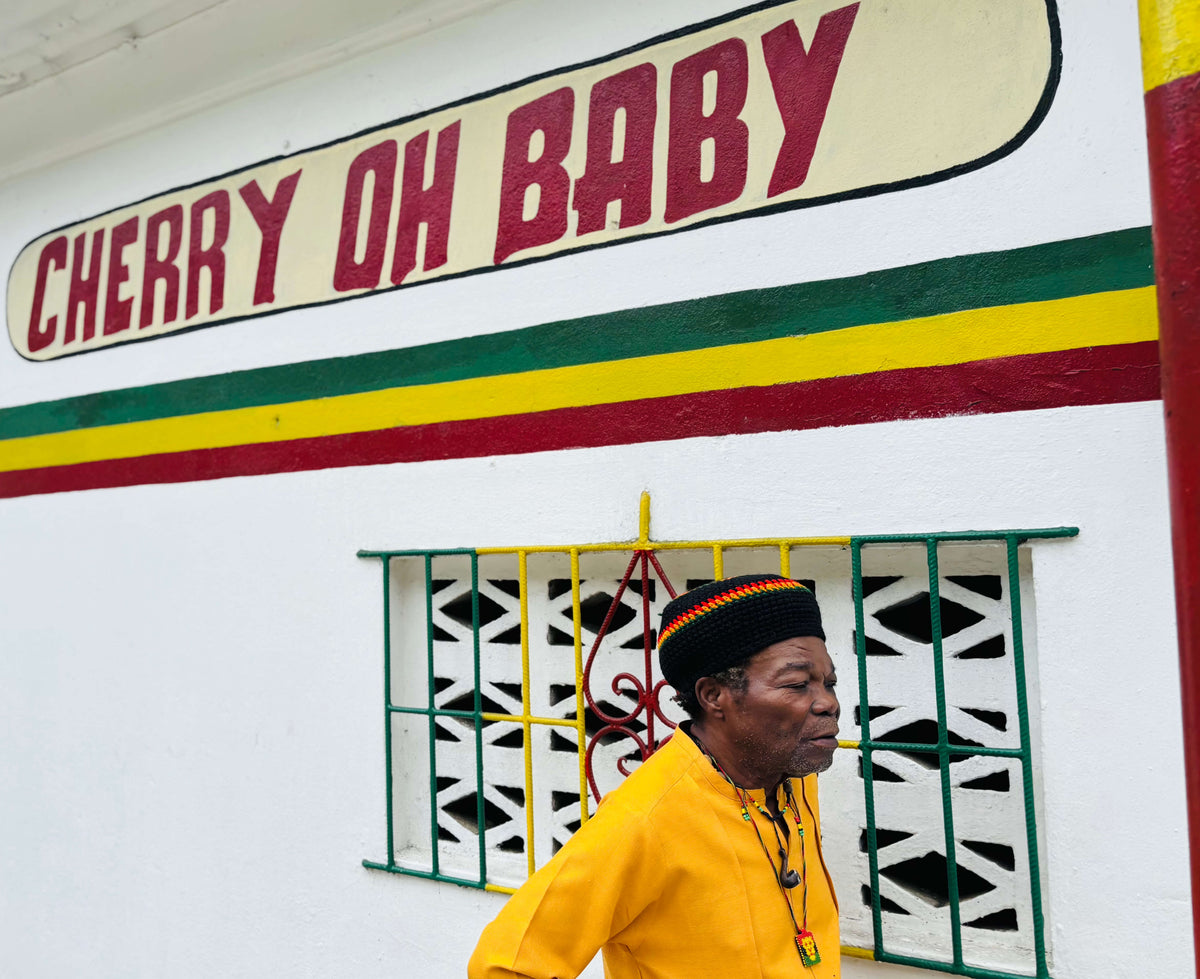
Eric Donaldson, Jamaican Singer songwriter and author of ‘Cherry oh Baby’ photographed by Randall Richards, 2026.
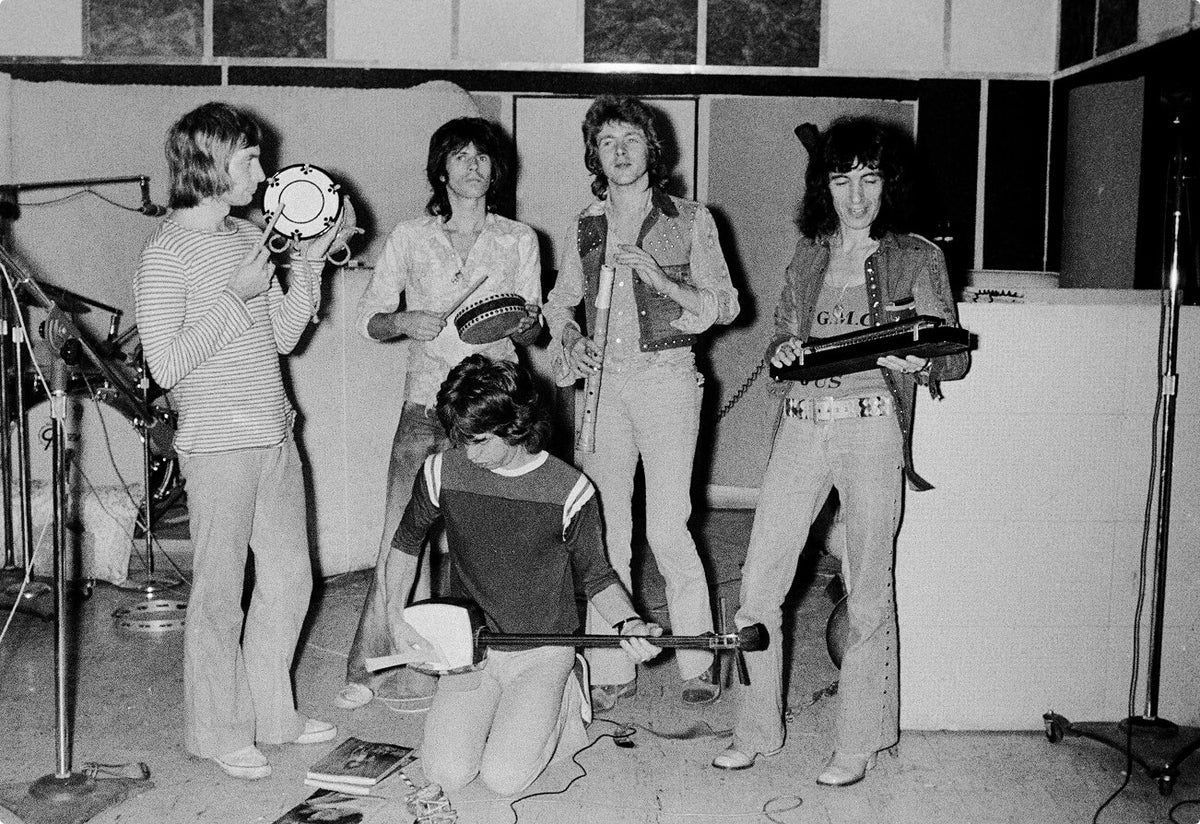
The Rolling Stones recording Goats Head Soup at Dynamic Sounds, shot by Koh Hasebe c/o Getty Images, in 1973.

Dynamic Sounds Recording Studio, Kingston Jamaica. Photographed by Ariel Tagar.
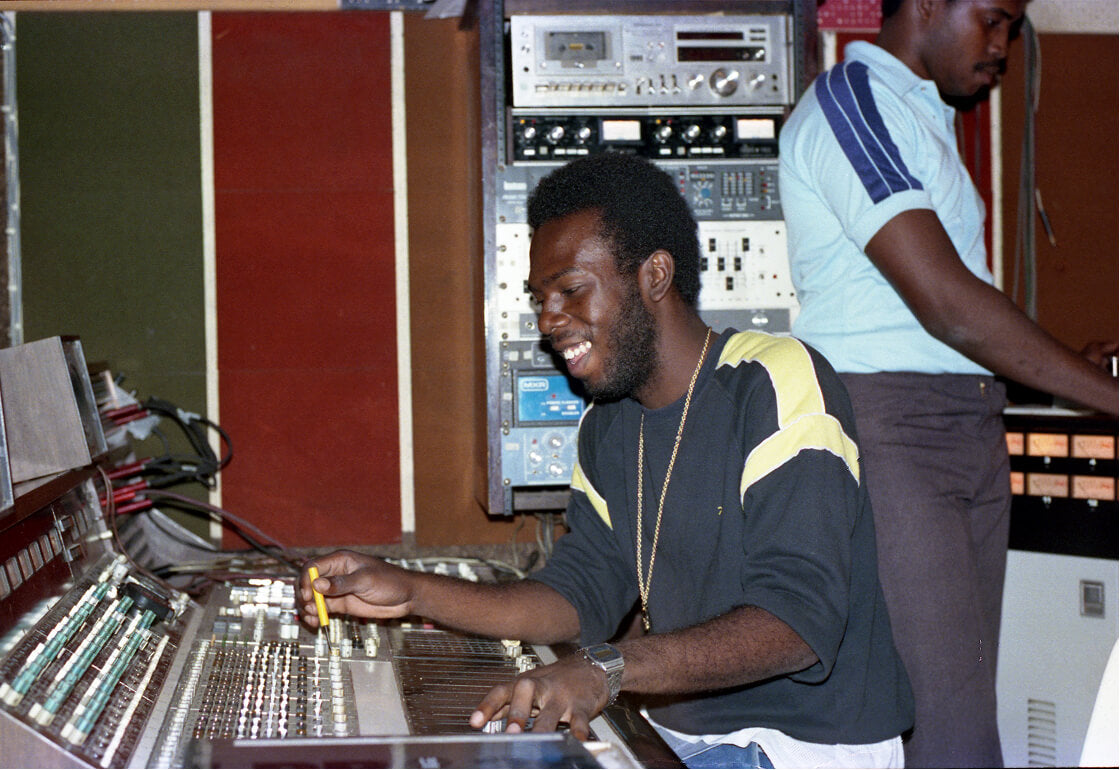
Peter Chemist, Jamaican musician, captured in Kingston by photographer Beth Lesser.
At the Terra Nova Hotel, the band kept late hours. Recording at Dynamic Sound Studios took place at night, alongside Kingston’s emerging reggae scene. The studio was a hub for local artists recording at the same time. Tracks including Angie and Star Star were recorded during these sessions.

the rolling
stones and
jamaica legends
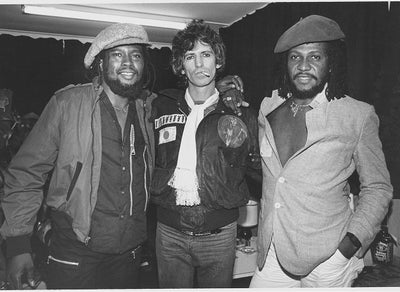
These relationships extended beyond the studio. The Stones built close links with iconic Jamaican musicians including Peter Tosh, Jimmy Cliff, Max Romeo, Sly & Robbie, Black Uhuru, Toots & the Maytals and Lee “Scratch” Perry.
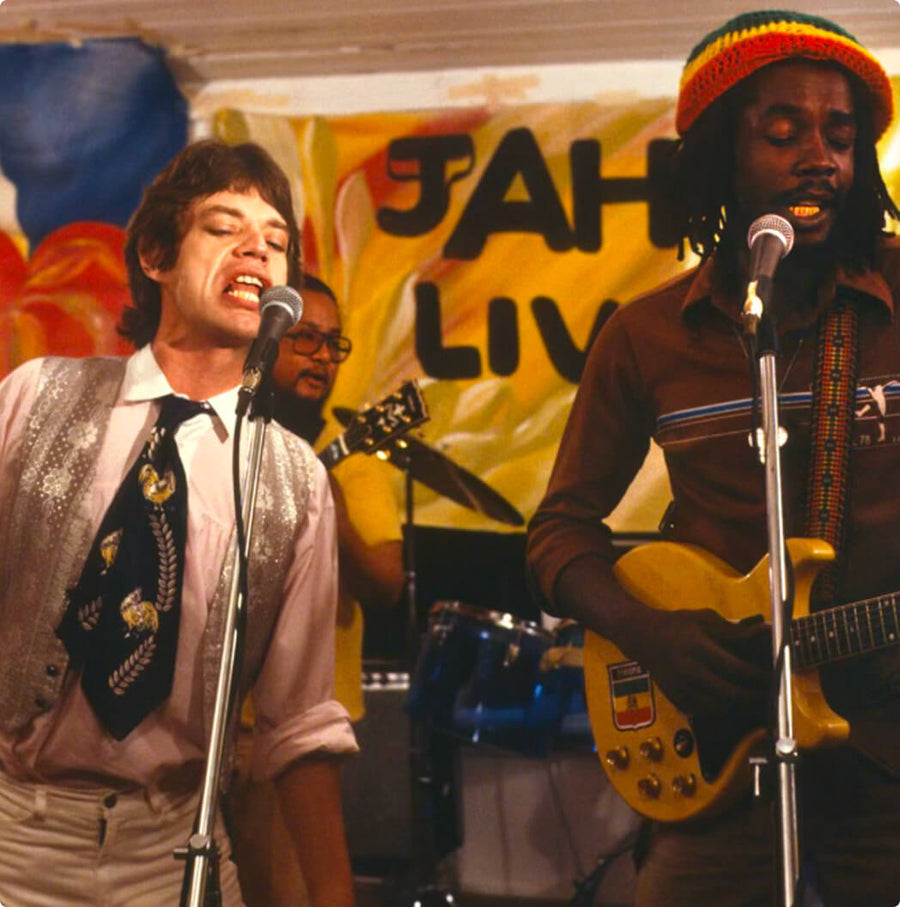
Tosh later recorded two albums on the Rolling Stones’ label and collaborated with Mick Jagger on ‘Walk’ and ‘Don’t Look Back’ – a reggae cover of the 1965 original by the Temptations. He also toured with the band in the United States, helping introduce reggae to wider audiences at a pivotal moment for the genre.
A shared outlook - a belief in speaking up and challenging authority.


Born in exile. Crafted in Jamaica.
The same rhythm, intensity and communal warmth that drew the Stones to Jamaica lives on in Crossfire Hurricane, a rum shaped by the island’s craft, culture and unmistakable energy. Crafted from rum distilled at four of Jamaica’s most respected distilleries, Crossfire Hurricane captures the bold character and vibrant spirit that defines the island.
NEXT STORY
The stones’ arrival in jamaica
Born in Jamaica, Crossfire Hurricane Rum blends tradition and innovation. Discover how four legendary distilleries and Ian Burrell shaped a truly distinctive rum.


